The things that changed our minds in 2025
Some mind-altering book, articles, podcasts and films to kickstart your 2026

2025 has been a year of shifts. Some planned, some decidedly not planned. The year began with the closure of the U.S. Agency for International Development, and the reverberations of that event have been felt every day since. Brink changed shape too, as we joined forces with Africa Practice. Through it all, we’ve kept reading, listening, and watching. Hunting for the ideas that might help us make sense of what’s happening and what‘s coming next.
This month’s Cognitive Download is our annual collection of books, articles, podcasts and films that genuinely shifted how we think. Some are hopeful, some challenging, some both at once. What they share is that they stuck with us because they changed a conversation, reframed a problem, or simply refused to leave our heads.
We hope you enjoy the list, and here’s to keeping the conversation going in 2026.
Bryony Nicholson
Community Lead
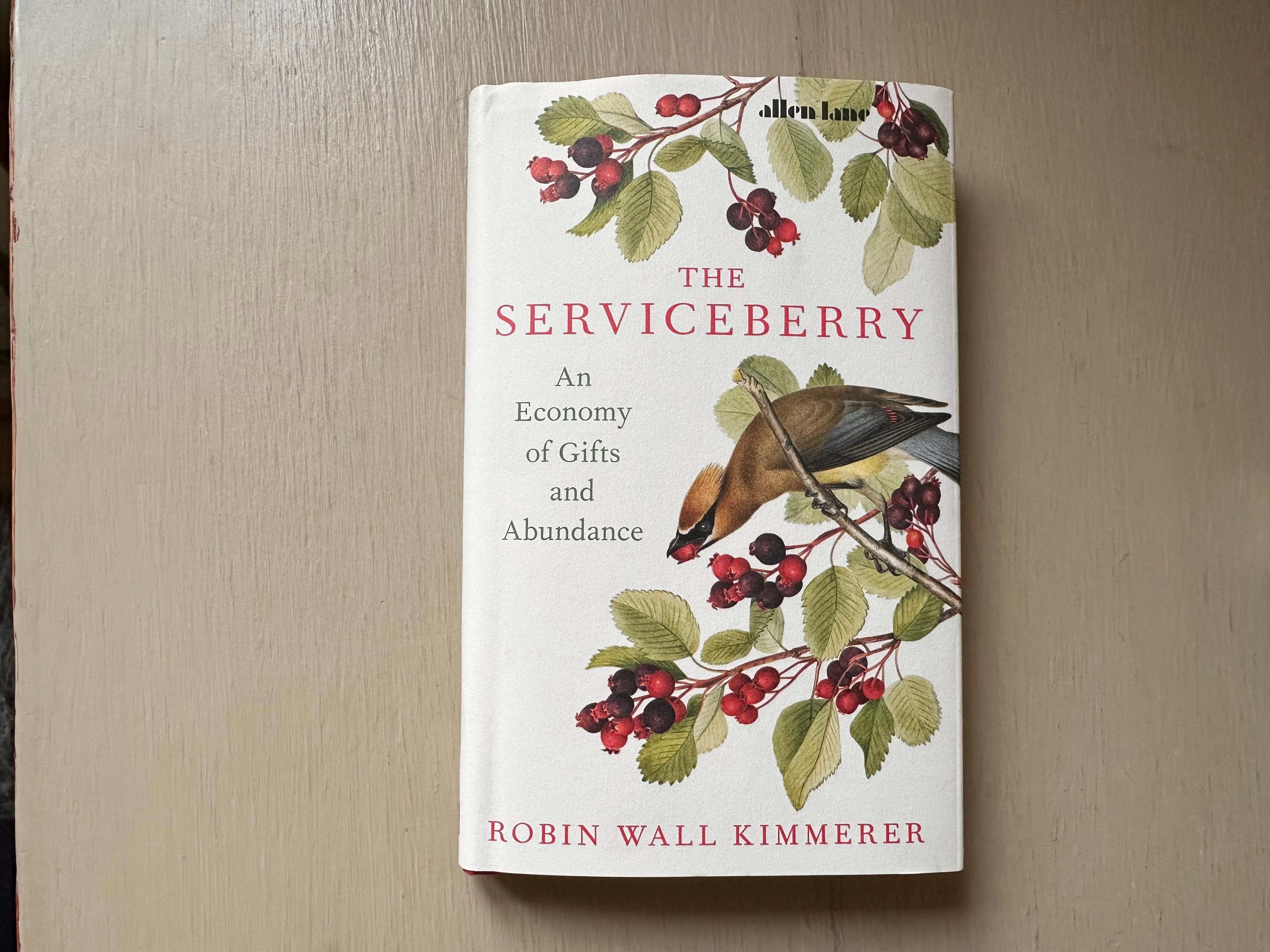
My sister bought me The Serviceberry by Robin Wall Kimmerer for Christmas last year and I finally read it this year. It’s a short essay, essentially, about how abundance mindsets can support us through life. Nature has everything it needs to flourish, and the book showed me how we can adopt that mindset too.
This feels especially pertinent in a year where aid cuts have affected many of our partners and friends. How can we take forward this thinking without trivialising what has been lost? We see organisations and programmes using scarcity to motivate people (”only x places left”, “only £x available in funding”). What would it mean for our work if we moved towards abundance instead?
Also, Where the Line is Drawn: Crossing Boundaries in Occupied Palestine by Raja Shehadeh. A wise friend of Brink, Melissa Abecassis, once told me that global conflicts cannot be resolved unless we are willing to do the work to resolve our personal and interpersonal conflicts. This is a moving history of a friendship between two people with different religious, political and geographic positions. I found the depiction of a friendship spanning decades and a border which kept being moved, touching and challenging. Where do we draw our own lines in relationships? And what does it mean if we change our minds about where the line should be?
Lil Patuck
Storytelling Manager
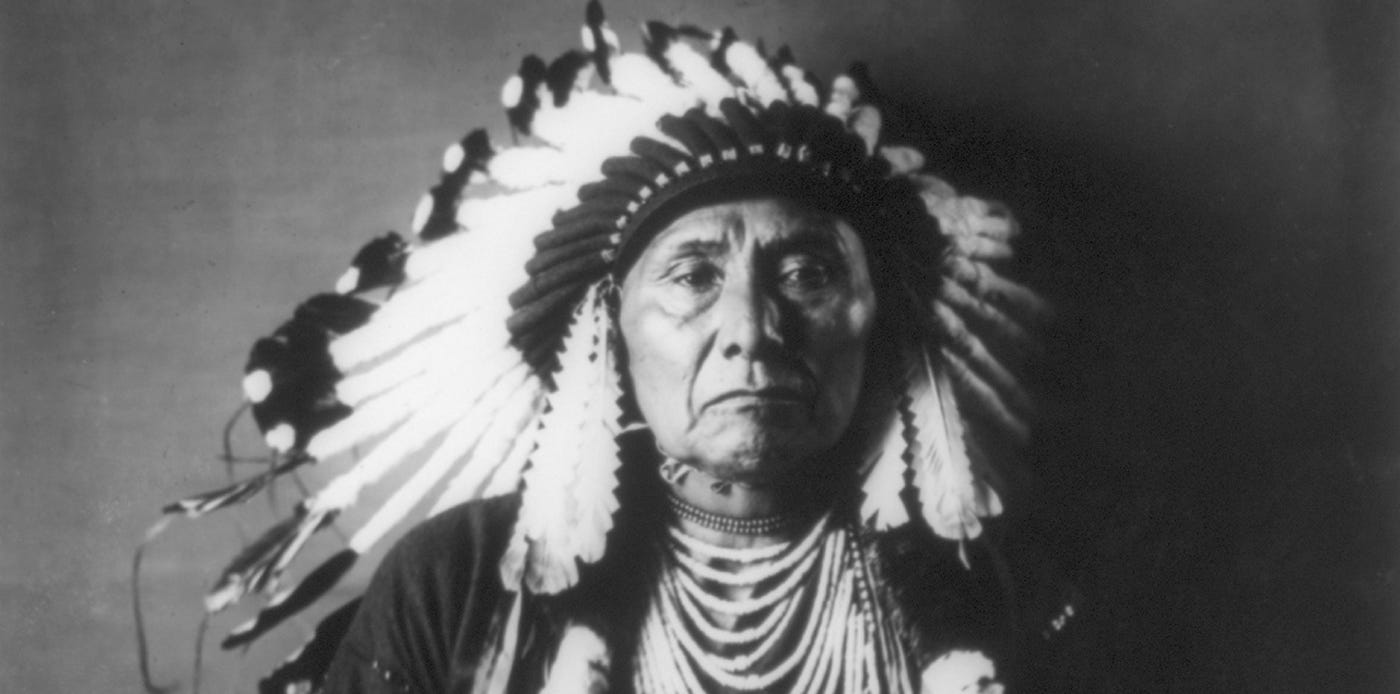
This year, I discovered where the ‘Ken Burns effect’ actually comes from. I grew up overusing that zoom-and-pan feature in amateur iMovie projects (shudder), but watching The West showed me the technique in its original context: bringing still photographs to life to tell extraordinary stories of the American frontier.
I was struck by the stripped-back storytelling: movement, archival images, and impeccable narration. In a world of AI animations and short-form content, it was a reminder that innovative audio-visual storytelling doesn’t need to be complex to be powerful.
Also: The Cooking Gene by Michael W. Twitty. In an uncertain world, I’ve noticed I’m increasingly turning to food (and our relationship with it) as a way to make sense of things. This book offers an incredible perspective on race and identity in America, grounded in the origins and meaning of Southern food.
The genealogical history of African-Americans is fractured, with gaping holes where evidence is lost. Twitty’s work is a masterclass in finding data in what’s left. He shares the hidden meaning in recipes and stories (did you know that songs were written to measure cooking time?) and traces his own ancestry. It’s a powerful demonstration of using what you can to piece together what was lost. As he writes: “The food is in many cases all we have, all we can go to in order to feel our way into the past.”
Flic Burgess
Innovation Manager
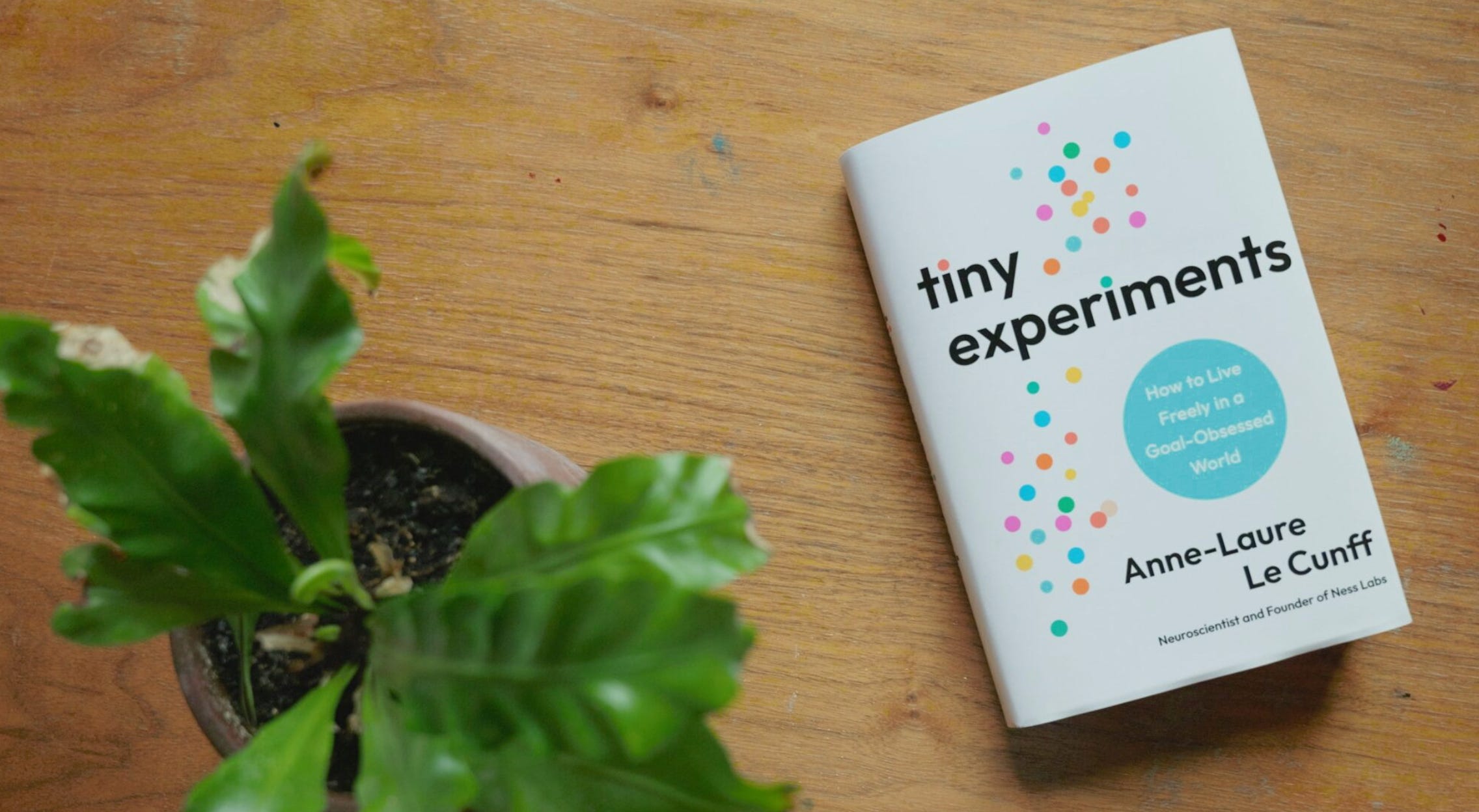
I was feeling stuck recently and found myself asking questions like: How am I learning here? Am I going in the ‘right direction’? How do I grow in a context of uncertainty? I was seeking a book that challenged the questions I was asking myself.
Tiny Experiments helped. I’ve spent years in a school system that is hierarchical and rigid. It became easy to attach lots of my self-worth and sense of progress to assessment data on a page. I’m finding new ways to think about my own growth and this book has helped me set up some fun mini experiments in my own life.
Also, Humanise by Thomas Heatherwick — a cry to banish boring buildings because they starve our souls. It’s simple, a fun read and full of pictures. He’s the designer behind the new Google building in Kings Cross, the MOCAA in Cape Town and 1000 Trees in Shanghai.
I’ve never thought about what makes a building boring and I definitely never considered why the passer-by matters so much in building design. The outside of buildings makes such a difference to human health. I also loved the chapter exploring why architects have lost touch with their inner artist.
Mwaniki Nyaga
Storytelling Executive
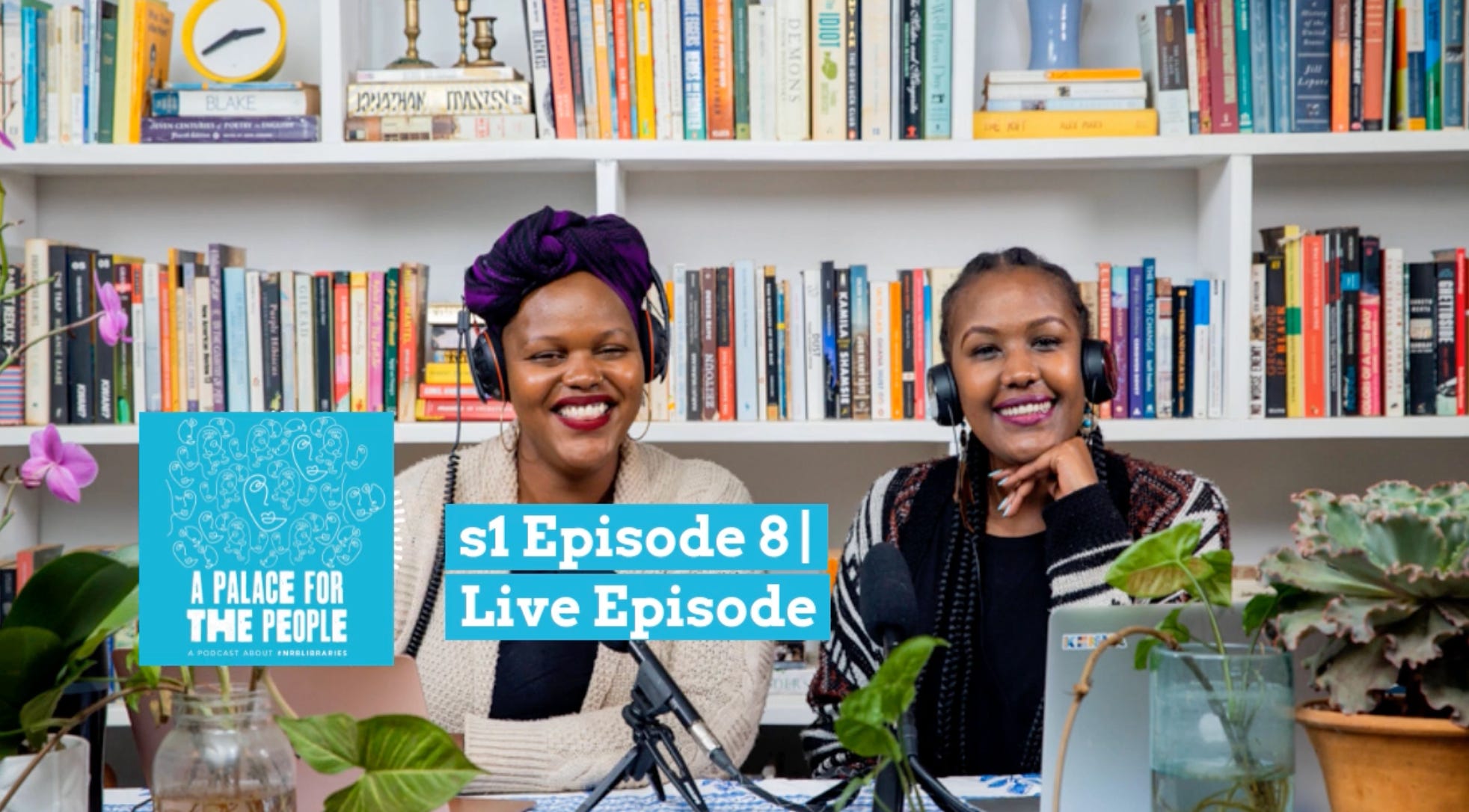
On the vibe of using what you can to piece together what was lost, this year I spent most of my forest walks listening to A Palace for the People. It’s a podcast about the restoration of Nairobi’s oldest library, and the stories found in its shelves. It offers an immersive exploration of Nairobi’s (and broadly Kenya’s) history and two citizens’ mission to preserve stories and ignite imagination in the face of erasure. It speaks to how social infrastructure — the library, the social hall under restoration — can help fight creeping polarisation and the decline of civic life we’ve witnessed post-independence.
The podcast is part of a larger exploration of a post-colonial identity crisis as it exists for millennials in Kenya today: what do we do with this complex history? Erase, or remember?
Within the same universe, How to Build a Library is a documentary film that follows the two women’s restoration journey over the last eight years. It headlined this year’s Nairobi Film Festival and is now on a world tour. It showcases the ups and downs of essentially psychologically rebuilding space for learning, dreaming, creating. A powerful trip into memory and the role of community.
Abi Freeman
Co-Founder

This year I reread The Culture Map by Erin Meyer. It’s an excellent read and many years ago when I first heard about Netflix’s pioneering culture back then, and read their book (No Rules Rules) it was Erin’s contributions that interested me the most. The Culture Map partly puts words to things you intuitively know - like how we make decisions differently across different cultures, and partly it makes the invisible, visible - like how some cultures work on linear time whilst others work flexible time. Neither is better, just different. It’s an important reminder of how we each have blindspots around how the way we experience the world might not be the same for everyone. And in 2025 a reminder to notice and celebrate differences is no bad thing.
I also read the short but punchy Men Explain Things To Me by Rebecca Solnit, which is an exasperated woman’s treatise on feminism. It’s often mis-credited as where the term mansplaining came from. She doesn’t assume all men mansplain, but rather when one is overly confident but also ill-informed, that’s where the issues arise. It’s not an affliction exclusive to men, but her essay is a powerful take on how women have been set back over the ages.
Dave Vigoureux
Innovation Manager
This year I’ve been working on FOUND, a pilot testing whether drones, sensors and machine learning can help locate clandestine graves in Mexico. Since 2007, over 2,000 such graves have been discovered, but thousands of victims of organised crime remain missing. The search is often led by mothers looking for their children, using community knowledge and patterns from other cases.
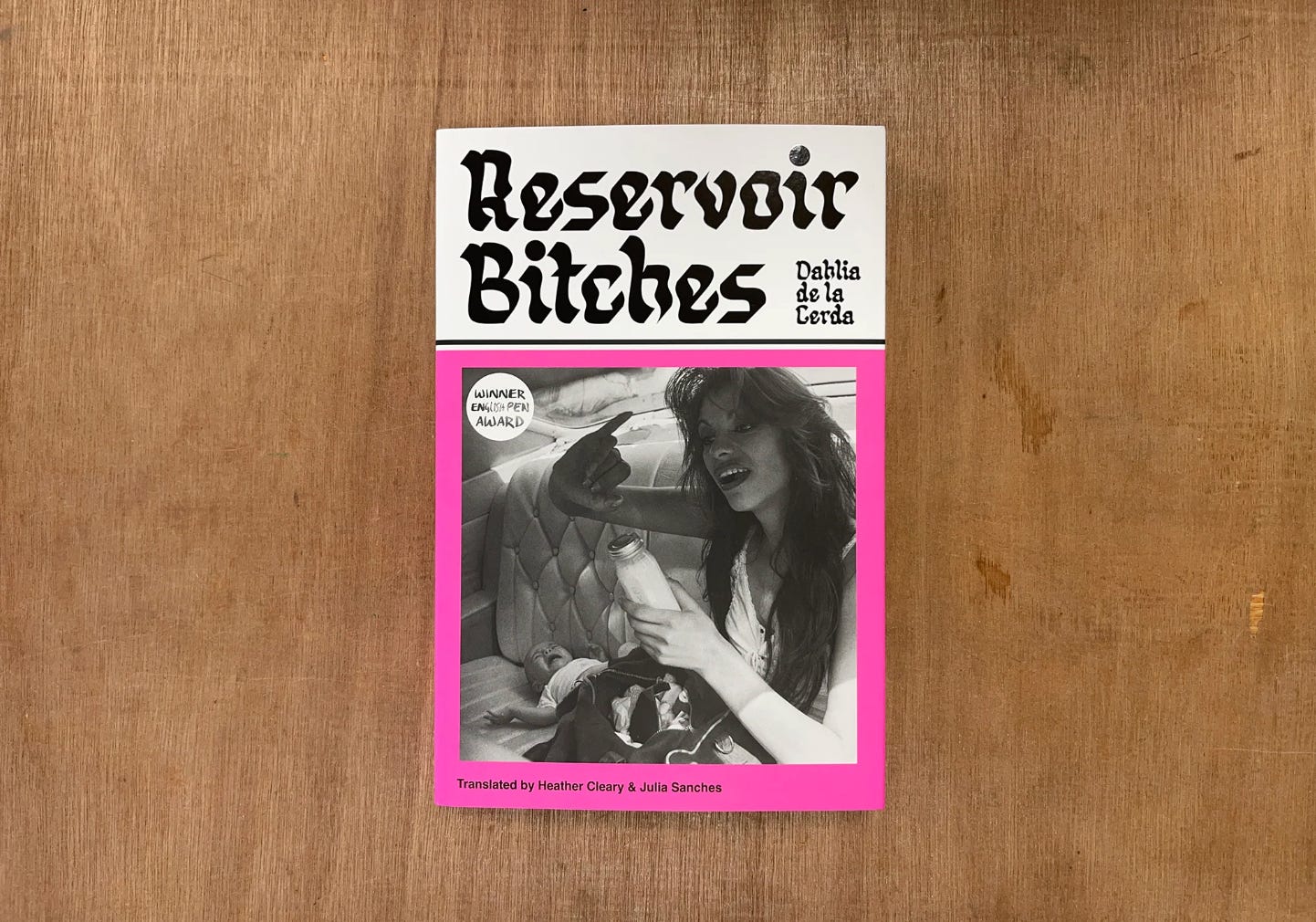
Through that work I was introduced to Reservoir Bitches, a collection of short stories about women navigating violence and generally surviving in Mexico. It left a mark and brought me closer to what is a lot of people’s lived experience.
Pritika Kasliwal
Innovation Manager
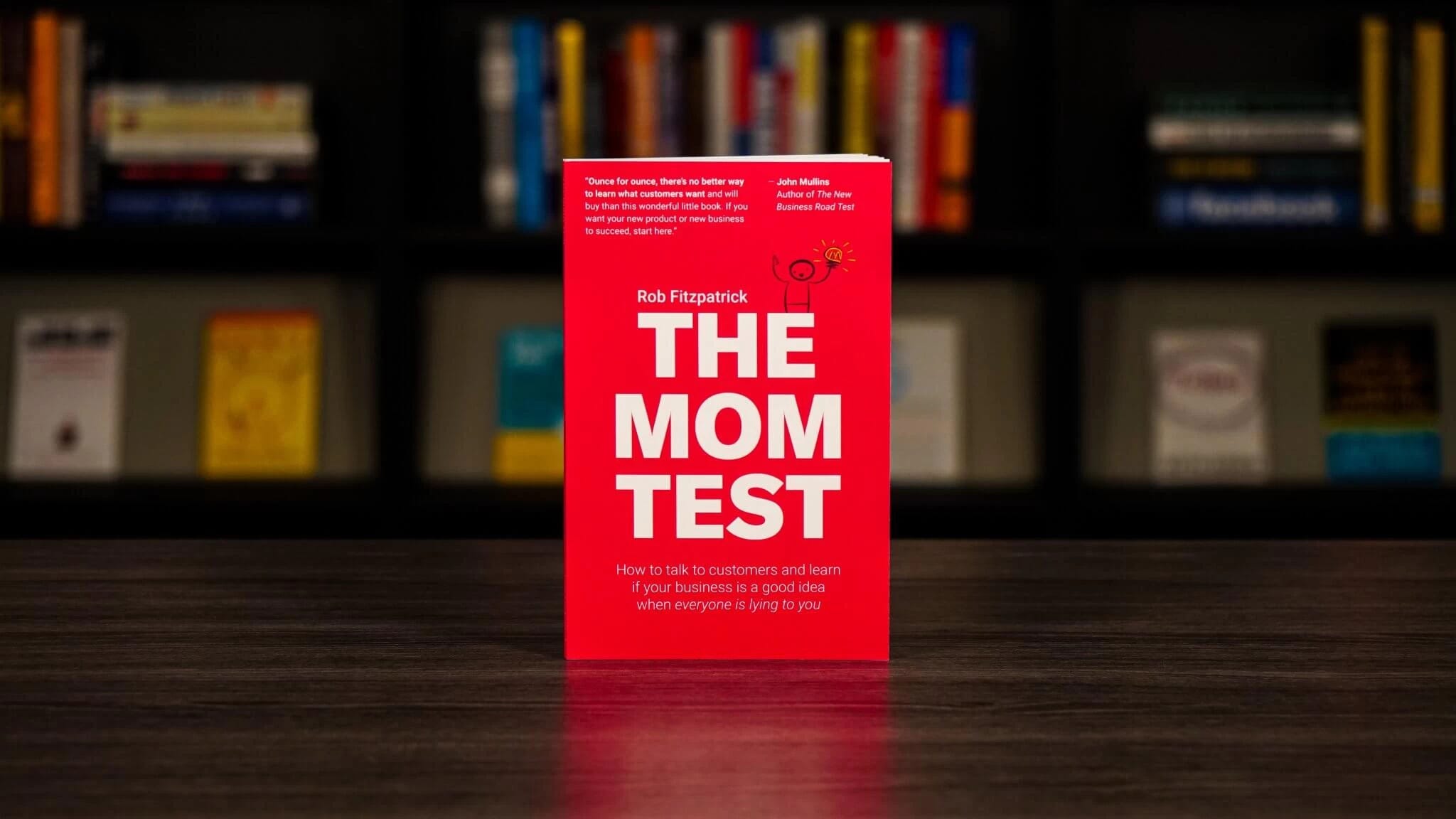
I read The Mom Test on recommendation from Brink co-founder, Abi. It’s a super simple way of reminding yourself that user research, proposition testing and even sales conversations aren’t about selling your idea to somebody and them telling you it’s cool and that yes, they’d hypothetically buy it (and then never taking any action). It’s about being curious and asking the right questions — ones that even your mum couldn’t lie to you over.
Lea Simpson
Co-Founder

The Invisible Doctrine by George Monbiot and Peter Hutchison is about neoliberalism and how it became the default setting for politics and economics. It explains how an ideology became so embedded it stopped being visible, and how many of today’s failures are framed as inevitabilities rather than choices.
Then there’s Sarah Vine’s How Not to Be a Political Wife and the Political Currency podcast series (particularly the “Inside the Room” episodes). Both give you a view of power at close quarters and some fascinating personal tales of what went down.
And my favourite new podcast: Diabolical Lies. The episode on the viral tradwife rant is a good starting point. What I liked is how forensic it is without being hysterical. It doesn’t mock the person at the centre, it dissects the ecosystem around her. You come away seeing how loneliness, money, and ideology get braided together online, and how easily nostalgia turns into politics.
Rob Hinchcliffe
Communications Lead
When I look back at some of the best articles I read this year, I can separate the list into two piles: one called ‘What’s Wrong’ and the other called ‘What You Can Do About It’.
In the What’s Wrong’ pile is Lia Purpura’s The Ecology of Attention, which creates a very effective metaphor to show how her ‘inner landscape’ has been “slashed back and stripped bare to accommodate the incursions of social media’s algorithms.” Thea Lim’s The Collapse of Self-Worth in the Digital Age examines how data collection technology has left us no choice but to “numericise and monetise the most private and personal parts of our experience.” And Catherine Shannon’s The Great Diminishment was about how many people’s response to this overwhelming bombardment has been to adopt a stance of ironic detachment. “We swim in a wretched sea of meaningless mush,” Shannon says, “and when you have to trudge through nothing but slop all day, every day, it gets harder and harder to not numb out.”
If all that sounds too depressing, don’t forget the other pile! Clive Thompson’s Rewilding Your Attention suggests focusing “on the weird stuff… the idiosyncratic posts and videos that people are publishing.” Laurel Schwulst’s beautiful essay My website is a shifting house next to a river of knowledge proposes that “Today more than ever, we need individuals rather than corporations to guide the web’s future… simply by having a website.” And Elizabeth Spiers is on the lookout for “early blogger energy” in What Made Blogging Different?, because those “people willing to make an effort to understand the world and engage in a way that isn’t a performance, or trolling, or outright grifting” can, collectively, be powerful agents of change.
Amen to that!
There are currently 1,681 people receiving this newsletter. 1681 is 41 squared. Not only that, it’s also made up of two perfect squares stuck together: 16 (4²) and 81 (9²). That’s feels like a pretty solid foundation to go into 2026 with. And if you’d like to help us scale toward the next mathematically-pleasing number, then just click the button to send this issue to a friend or colleague (or a friendly colleague):
Thank you for these brilliant suggestions - added many to my read/ listen / watch lists.